Water finding its way into a basement usually points to one of three things: a sump pump failure, a foundation crack, or a window well breach, and each needs a different diagnostic approach.
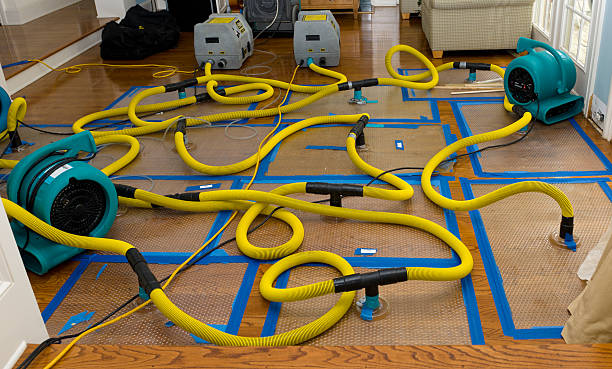
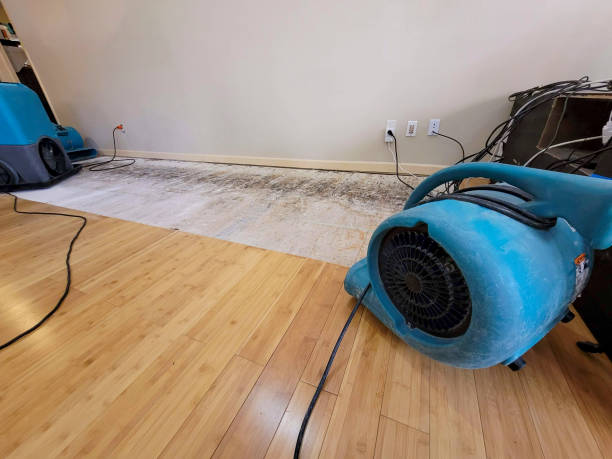
Below-grade dehumidification runs longer and stronger than a standard job because basements naturally hold more ambient moisture.

Our Clear Lake, IA technicians run extraction equipment suited to below-grade spaces, including tighter mechanical rooms and finished basement layouts.
Diagnosing the actual entry point in Clear Lake, IA basements prevents the same flood from happening again next storm.
Knowing which basement materials tolerate moisture and which don't shapes our removal decisions.
We treat basement framing and subfloor with extra care since moisture lingers longer below grade.
Basement floods call for a specific sequence that accounts for sump systems, foundation walls, and finished materials — here's our Clear Lake, IA approach.

We check the sump pump and pit first when it's the likely failure point, and can coordinate a replacement if needed.
We trace water staining back to the foundation wall to confirm whether a crack is the source.
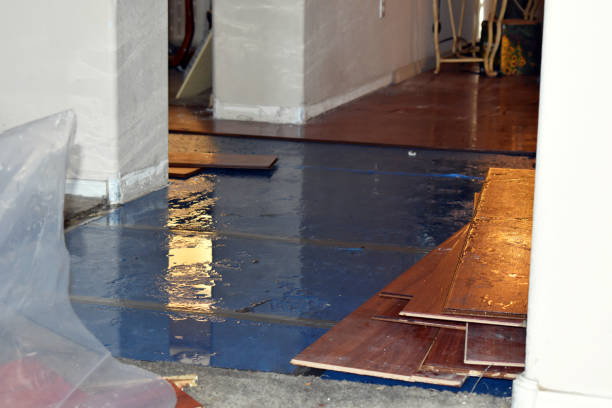
We assess finished basement materials individually rather than defaulting to full removal.
{We check window wells and French drain function as part of the source diagnosis|Clogged or failed window well drainage is a common Clear Lake, IA basement flood cause we test for|French drain performance gets evaluated alongside the sump system during our assessment}.
We size dehumidification equipment for the added moisture load typical of below-grade spaces.
Mold prevention in basements gets treated as a priority step, not an afterthought.
Even a rough description helps us bring the right diagnostic tools.
Confined-space extraction gear is brought along for typical basement layouts.
We diagnose the water source — sump, foundation, or window well — before quoting the cleanup scope.
Final sign-off includes confirmation that the original source issue has been addressed.

"Our sump pump failed during a storm and they not only cleaned up the water but explained exactly why the pump failed." — Carla D.
"They saved most of our finished basement drywall by only cutting where the moisture readings showed a problem." — Reggie F.
"Found a foundation crack we didn't even know we had. Glad they checked instead of just drying and leaving." — Nadia S.
We diagnose which of these applies before starting cleanup.
Sump diagnostics are included so the same flood doesn't happen again.
Full tear-out isn't automatic — we base removal decisions on actual moisture data.
Basements dry slower due to higher natural humidity levels compared to upper floors.
A specific staining pattern along a wall often points to a foundation crack, which we check for.
If your basement is in or near Clear Lake, a crew can typically respond the same day.

One call gets a below-grade specialist routed to Clear Lake.
Call +1-844-833-1325